Buy therapi.eu ?
We are moving the project
therapi.eu .
Are you interested in purchasing the domain
therapi.eu ?
domain@kv-gmbh.de · 0541-91531010
Buy therapi.eu ?
What are biblical archetypes?
Biblical archetypes are recurring symbols, characters, or themes found throughout the Bible that represent universal human experiences, emotions, or truths. These archetypes often serve as a model or pattern for understanding and interpreting the world and our own lives. Examples of biblical archetypes include the hero, the villain, the journey, the sacrifice, and the redemption, which can be found in various stories and characters throughout the Bible. These archetypes provide a framework for understanding the human condition and the spiritual journey. **
What are the archetypes of C.G. Jung?
C.G. Jung identified several archetypes that he believed were universal symbols or themes that appear in the collective unconscious of all people. Some of the key archetypes include the persona (the social mask we present to the world), the shadow (the darker, unconscious side of our personality), the anima/animus (the feminine and masculine aspects within each individual), the self (the striving for wholeness and integration), and the hero (the figure who overcomes challenges and achieves greatness). Jung believed that recognizing and integrating these archetypes into our consciousness could lead to personal growth and self-realization. **
Similar search terms for Archetypes
Top-Angebote
Products related to Archetypes:
-
Uplift Essentials Stress Relieving Pinch Mask Toy Emotional Expression Character Squeeze High Yield Mental Wellness Support Hub style BAchieve emotional optimization with the Stress Relieving Pinch Mask Toy. Specifically engineered for sensory transparency, this highperformance tactile tool acts as a vital tool for relaxation efficiency, neutralizing workplace tension through...62,97 $*Shipping: 0,00 $Secure redirect to the provider
-
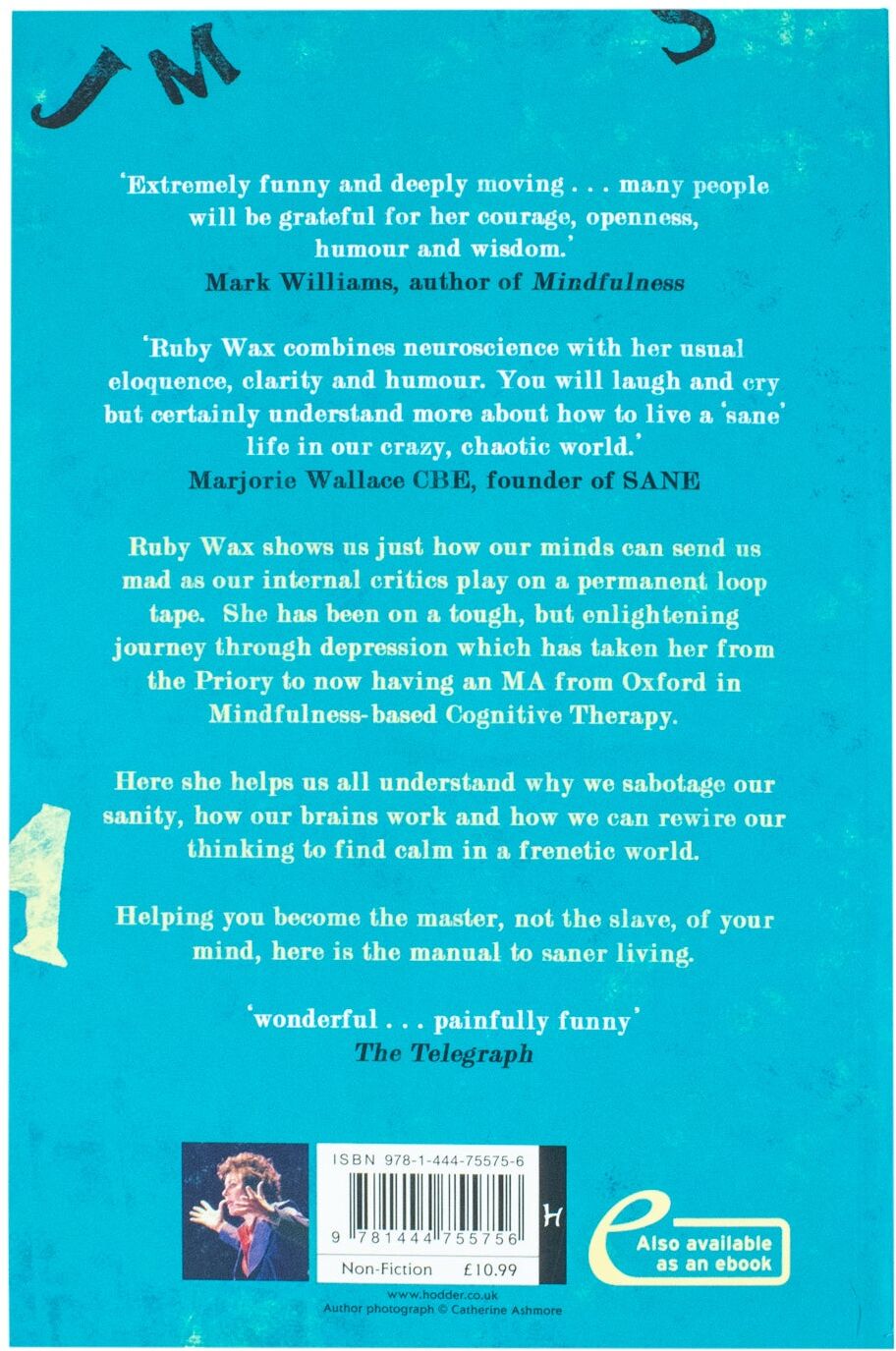
HODDER PUBLISHING Sane New World: Taming the Mind by Ruby Wax – Mental Health & Mindfulness GuideThe mental health and mindfulness bestseller from A Mindfulness Guide for the Frazzled and How to be Human author Ruby Wax; who shows us why and how our minds can send us mad and how we can rewire our thinking to calm ourselves in a frenetic world. 'Finally - a map for the troubled human mind. And it's funny.' -Caitlin Moran Ruby Wax - comedian; writer and mental health campaigner - shows us how our minds can jeopardize our sanity. With her own periods of depression and now a Masters from Oxford in Mindfulness-based Cognitive Therapy to draw from; she explains how our busy; chattering; self-critical thoughts drive us to anxiety and stress. If we are to break the cycle; we need to understand how our brains work; rewire our thinking and find calm in a frenetic world. Helping you become the master; not the slave; of your mind; here is the manual to saner living.4,90 £*Shipping: 1,99 £Secure redirect to the provider
-
KitchenCuration Healing Quartz Crystal Water Bottle For Wellness & Energy Balance FluoriteRefresh your daily routine with a beautifully designed crystal water bottle that combines mindful living with elegant style. Crafted for wellness enthusiasts, yoga lovers, and anyone seeking a calming hydration experience, this bottle features a...49,97 $*Shipping: 0,00 $Secure redirect to the provider
-
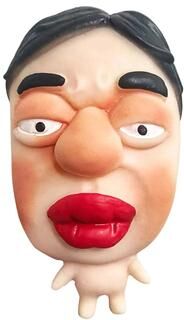
Uplift Essentials Stress Relieving Pinch Mask Toy Emotional Expression Character Squeeze High Yield Mental Wellness Support Hub style CAchieve emotional optimization with the Stress Relieving Pinch Mask Toy. Specifically engineered for sensory transparency, this highperformance tactile tool acts as a vital tool for relaxation efficiency, neutralizing workplace tension through...62,97 $*Shipping: 0,00 $Secure redirect to the provider

-
Are there different soul types or family archetypes?
Yes, some belief systems and spiritual practices suggest that there are different soul types or family archetypes. These can include concepts such as old souls, young souls, warrior souls, healer souls, and more. Each soul type is believed to have unique characteristics, purposes, and lessons to learn in their lifetime. Understanding these soul types or family archetypes can help individuals gain insight into their own spiritual journey and relationships with others. **
-
What is the difference between archetypes and stereotypes?
Archetypes are universal symbols or themes that represent shared human experiences and emotions, often found in literature, mythology, and art. They are timeless and can be interpreted in various ways. On the other hand, stereotypes are oversimplified and generalized beliefs about a particular group of people, often based on assumptions or prejudices. Stereotypes can be harmful as they limit individuals to a narrow set of characteristics, while archetypes are more complex and can be used to explore deeper aspects of the human psyche. **
-
How can images and pictures be used as archetypes?
Images and pictures can be used as archetypes by representing universal symbols and themes that are deeply ingrained in the human psyche. For example, a picture of a mother and child can evoke the archetype of nurturing and protection. Similarly, an image of a tree can symbolize growth, strength, and connection to the earth. By tapping into these archetypal images, artists and storytellers can convey powerful and resonant messages that transcend cultural and linguistic barriers. Additionally, these archetypal images can evoke strong emotional responses and connect with audiences on a subconscious level. **
-
How can the difference between the collective unconscious and archetypes be explained simply?
The collective unconscious is a concept introduced by Carl Jung, which refers to the shared reservoir of memories and experiences that all humans inherit. Archetypes, on the other hand, are universal symbols or themes that arise from the collective unconscious and are expressed in various cultures and individuals. In simpler terms, the collective unconscious is like a vast library of human experiences, while archetypes are the common themes or characters found within that library that appear in myths, stories, and dreams. **
How can the difference between the collective unconscious and the archetypes be explained simply?
The collective unconscious is a shared reservoir of memories and experiences that all humans inherit from their ancestors, while archetypes are universal symbols or themes that arise from the collective unconscious. In simpler terms, the collective unconscious is like a vast library of human experiences that we all have access to, while archetypes are the common patterns or characters that appear in myths, stories, and dreams. Essentially, the collective unconscious is the source, and archetypes are the recurring themes or symbols that emerge from it. **
How can the difference between the collective unconscious and the archetypes be simply explained?
The collective unconscious refers to the shared reservoir of memories, experiences, and images that are inherited from our ancestors and are common to all humans. It is a part of the unconscious mind that is shared by all people across cultures. On the other hand, archetypes are universal symbols and patterns that emerge from the collective unconscious. They are recurring themes or motifs that are present in myths, stories, and dreams and represent fundamental human experiences and emotions. In simple terms, the collective unconscious is the deep well of shared human experiences, while archetypes are the specific symbols and patterns that arise from this collective unconscious. **
Top-Angebote
Products related to Archetypes:
-
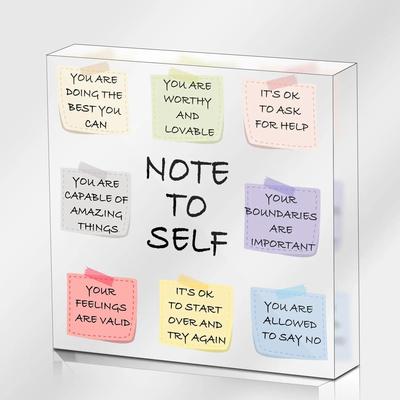
Uplift Essentials Mental Health & Psychology Motivational Sign Inspirational Modern Decor For Counseling & Classroom Corners Mental Health & Psychology Motivational Sign Inspirational Modern Decor For Counseling & Classroom Corners"Synchronize your sanctuary with the highdefinition, highvibration energy of our Psychology Motivational Decoration. Featuring a sophisticated ""mindfulminimalist"" silhouette, this professional plaque is designed to bring a ""calmluxe"" energy to your..."59,97 $*Shipping: 0,00 $Secure redirect to the provider
-
Uplifted Finds Mental Health Awareness Acrylic Sign Psychology Motivational Decor For Counseling, Classroom & Office Mental Health Awareness Acrylic Sign Psychology Motivational Decor For Counseling, Classroom & Office"Foster a culture of resilience and wellness with our Mental Health Gift. This premium psychology motivational decoration is the ultimate designer solution for creating a ""MindfulSanctuary"" or ""PositiveFocus"" atmosphere in any home. Featuring a..."71,97 $*Shipping: 0,00 $Secure redirect to the provider
-
Uplift Essentials Stress Relieving Pinch Mask Toy Emotional Expression Character Squeeze High Yield Mental Wellness Support Hub style BAchieve emotional optimization with the Stress Relieving Pinch Mask Toy. Specifically engineered for sensory transparency, this highperformance tactile tool acts as a vital tool for relaxation efficiency, neutralizing workplace tension through...62,97 $*Shipping: 0,00 $Secure redirect to the provider
-
HODDER PUBLISHING Sane New World: Taming the Mind by Ruby Wax – Mental Health & Mindfulness GuideThe mental health and mindfulness bestseller from A Mindfulness Guide for the Frazzled and How to be Human author Ruby Wax; who shows us why and how our minds can send us mad and how we can rewire our thinking to calm ourselves in a frenetic world. 'Finally - a map for the troubled human mind. And it's funny.' -Caitlin Moran Ruby Wax - comedian; writer and mental health campaigner - shows us how our minds can jeopardize our sanity. With her own periods of depression and now a Masters from Oxford in Mindfulness-based Cognitive Therapy to draw from; she explains how our busy; chattering; self-critical thoughts drive us to anxiety and stress. If we are to break the cycle; we need to understand how our brains work; rewire our thinking and find calm in a frenetic world. Helping you become the master; not the slave; of your mind; here is the manual to saner living.4,90 £*Shipping: 1,99 £Secure redirect to the provider
-
What are biblical archetypes?
Biblical archetypes are recurring symbols, characters, or themes found throughout the Bible that represent universal human experiences, emotions, or truths. These archetypes often serve as a model or pattern for understanding and interpreting the world and our own lives. Examples of biblical archetypes include the hero, the villain, the journey, the sacrifice, and the redemption, which can be found in various stories and characters throughout the Bible. These archetypes provide a framework for understanding the human condition and the spiritual journey. **
-
What are the archetypes of C.G. Jung?
C.G. Jung identified several archetypes that he believed were universal symbols or themes that appear in the collective unconscious of all people. Some of the key archetypes include the persona (the social mask we present to the world), the shadow (the darker, unconscious side of our personality), the anima/animus (the feminine and masculine aspects within each individual), the self (the striving for wholeness and integration), and the hero (the figure who overcomes challenges and achieves greatness). Jung believed that recognizing and integrating these archetypes into our consciousness could lead to personal growth and self-realization. **
-
Are there different soul types or family archetypes?
Yes, some belief systems and spiritual practices suggest that there are different soul types or family archetypes. These can include concepts such as old souls, young souls, warrior souls, healer souls, and more. Each soul type is believed to have unique characteristics, purposes, and lessons to learn in their lifetime. Understanding these soul types or family archetypes can help individuals gain insight into their own spiritual journey and relationships with others. **
-
What is the difference between archetypes and stereotypes?
Archetypes are universal symbols or themes that represent shared human experiences and emotions, often found in literature, mythology, and art. They are timeless and can be interpreted in various ways. On the other hand, stereotypes are oversimplified and generalized beliefs about a particular group of people, often based on assumptions or prejudices. Stereotypes can be harmful as they limit individuals to a narrow set of characteristics, while archetypes are more complex and can be used to explore deeper aspects of the human psyche. **
Similar search terms for Archetypes
-
KitchenCuration Healing Quartz Crystal Water Bottle For Wellness & Energy Balance FluoriteRefresh your daily routine with a beautifully designed crystal water bottle that combines mindful living with elegant style. Crafted for wellness enthusiasts, yoga lovers, and anyone seeking a calming hydration experience, this bottle features a...49,97 $*Shipping: 0,00 $Secure redirect to the provider
-
Uplift Essentials Stress Relieving Pinch Mask Toy Emotional Expression Character Squeeze High Yield Mental Wellness Support Hub style CAchieve emotional optimization with the Stress Relieving Pinch Mask Toy. Specifically engineered for sensory transparency, this highperformance tactile tool acts as a vital tool for relaxation efficiency, neutralizing workplace tension through...62,97 $*Shipping: 0,00 $Secure redirect to the provider
-
Uplift Essentials Stress Relieving Pinch Mask Toy Emotional Expression Character Squeeze High Yield Mental Wellness Support Hub style AAchieve emotional optimization with the Stress Relieving Pinch Mask Toy. Specifically engineered for sensory transparency, this highperformance tactile tool acts as a vital tool for relaxation efficiency, neutralizing workplace tension through...62,97 $*Shipping: 0,00 $Secure redirect to the provider
-
Uplift Essentials Stress Relieving Pinch Mask Toy Emotional Expression Character Squeeze High Yield Mental Wellness Support Hub style DAchieve emotional optimization with the Stress Relieving Pinch Mask Toy. Specifically engineered for sensory transparency, this highperformance tactile tool acts as a vital tool for relaxation efficiency, neutralizing workplace tension through...62,97 $*Shipping: 0,00 $Secure redirect to the provider
-
How can images and pictures be used as archetypes?
Images and pictures can be used as archetypes by representing universal symbols and themes that are deeply ingrained in the human psyche. For example, a picture of a mother and child can evoke the archetype of nurturing and protection. Similarly, an image of a tree can symbolize growth, strength, and connection to the earth. By tapping into these archetypal images, artists and storytellers can convey powerful and resonant messages that transcend cultural and linguistic barriers. Additionally, these archetypal images can evoke strong emotional responses and connect with audiences on a subconscious level. **
-
How can the difference between the collective unconscious and archetypes be explained simply?
The collective unconscious is a concept introduced by Carl Jung, which refers to the shared reservoir of memories and experiences that all humans inherit. Archetypes, on the other hand, are universal symbols or themes that arise from the collective unconscious and are expressed in various cultures and individuals. In simpler terms, the collective unconscious is like a vast library of human experiences, while archetypes are the common themes or characters found within that library that appear in myths, stories, and dreams. **
-
How can the difference between the collective unconscious and the archetypes be explained simply?
The collective unconscious is a shared reservoir of memories and experiences that all humans inherit from their ancestors, while archetypes are universal symbols or themes that arise from the collective unconscious. In simpler terms, the collective unconscious is like a vast library of human experiences that we all have access to, while archetypes are the common patterns or characters that appear in myths, stories, and dreams. Essentially, the collective unconscious is the source, and archetypes are the recurring themes or symbols that emerge from it. **
-
How can the difference between the collective unconscious and the archetypes be simply explained?
The collective unconscious refers to the shared reservoir of memories, experiences, and images that are inherited from our ancestors and are common to all humans. It is a part of the unconscious mind that is shared by all people across cultures. On the other hand, archetypes are universal symbols and patterns that emerge from the collective unconscious. They are recurring themes or motifs that are present in myths, stories, and dreams and represent fundamental human experiences and emotions. In simple terms, the collective unconscious is the deep well of shared human experiences, while archetypes are the specific symbols and patterns that arise from this collective unconscious. **
* All prices are inclusive of VAT and, if applicable, plus shipping costs. The offer information is based on the details provided by the respective shop and is updated through automated processes. Real-time updates do not occur, so deviations can occur in individual cases. ** Note: Parts of this content were created by AI.