Buy therapi.eu ?
We are moving the project
therapi.eu .
Are you interested in purchasing the domain
therapi.eu ?
domain@kv-gmbh.de · 0541-91531010
Buy therapi.eu ?
What is a fairly simple statics problem with support reactions?
A fairly simple statics problem with support reactions could involve a simply supported beam with a point load applied at the middle of the beam. The problem would require calculating the reactions at the supports (usually a pin and a roller) to maintain equilibrium. By using the equations of equilibrium, one can easily determine the support reactions at the two ends of the beam. This type of problem is commonly used to introduce students to the concept of support reactions and equilibrium in statics. **
Is Simple Present and Present Simple the same thing?
Yes, "Simple Present" and "Present Simple" are the same thing. They both refer to the tense used to describe actions that happen regularly, habits, general truths, and scheduled events in the present time. Both terms can be used interchangeably to describe the basic present tense in English grammar. **
Similar search terms for Simple
Top-Angebote
Products related to Simple:
-
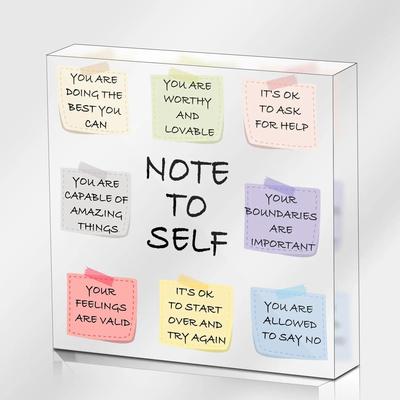
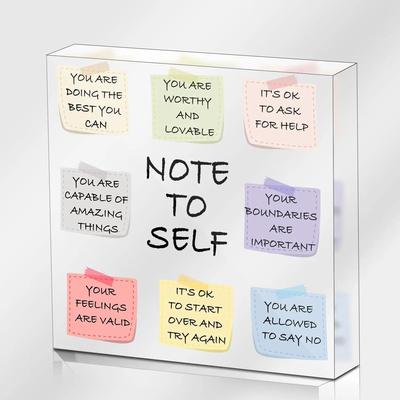
Uplifted Finds Mental Health Awareness Acrylic Sign Psychology Motivational Decor For Counseling, Classroom & Office Mental Health Awareness Acrylic Sign Psychology Motivational Decor For Counseling, Classroom & Office"Foster a culture of resilience and wellness with our Mental Health Gift. This premium psychology motivational decoration is the ultimate designer solution for creating a ""MindfulSanctuary"" or ""PositiveFocus"" atmosphere in any home. Featuring a..."71,97 $*Shipping: 0,00 $Secure redirect to the provider
-
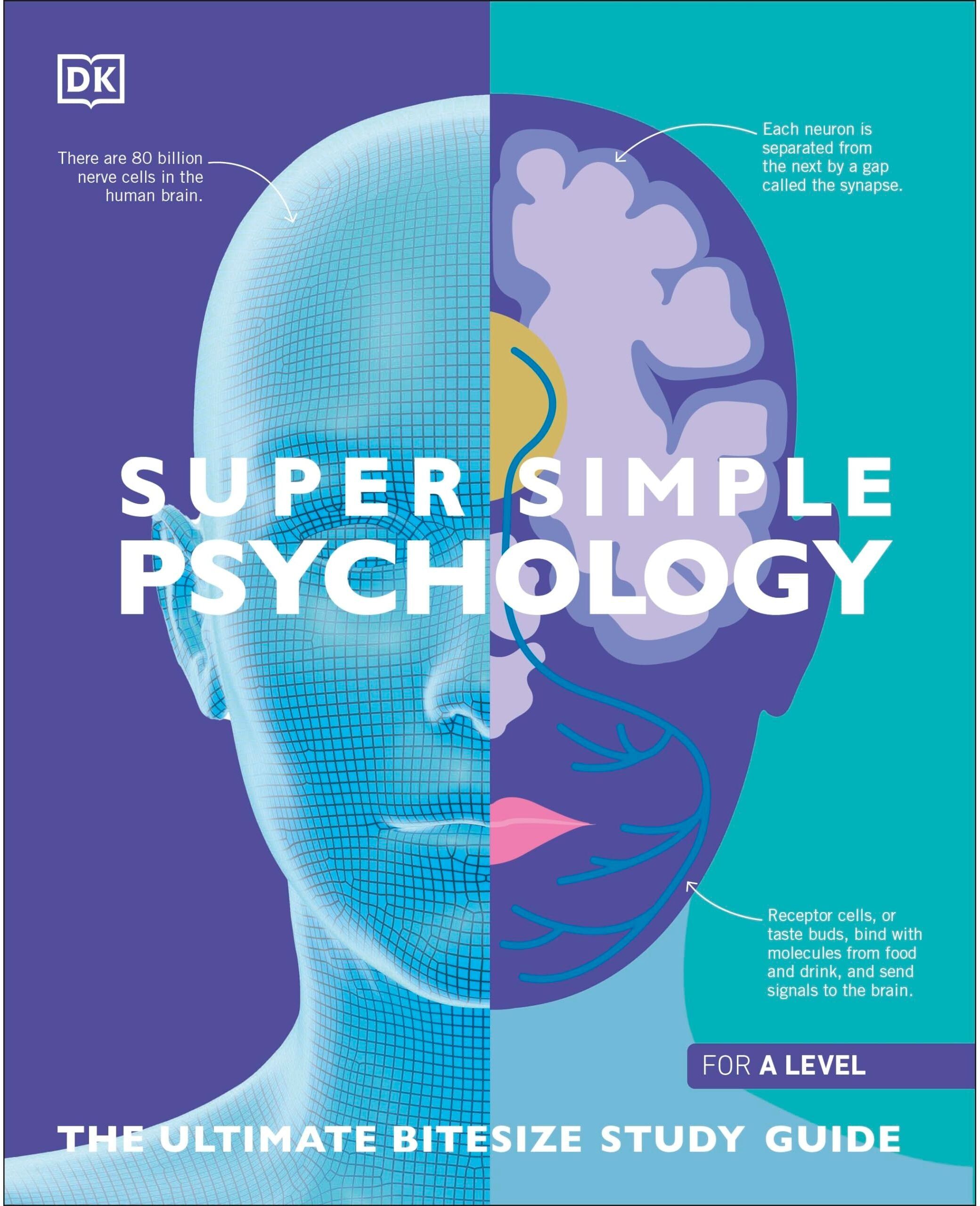
Super Simple Psychology: The Ultimate Bitesize Study Guide (DK Super Simple)Expand your Psychology knowledge with this easy-to-use study guide which has everything A Level students need to get to grips with this fascinating subject. Super Simple Psychology breaks down complex information into manageable, bitesize chunks, and it covers all the key topics, ranging from brain anatomy and memory to phobias and types of therapy. With clear and straightforward coverage of all the core Psychology topics, this is the ideal companion for students looking for concise information to support them with classwork, homework, and exams. This psychology study guide offers: - Material that supports A Level and International Baccalaureate curriculum, complementing coursework and exam revision. - An easy-to-use layout, with one topic per page and key facts for every topic. - Visual explanations that help tackle complex topics and make learning straightforward. Super Simple Psychology contains all the essential topics for A Level Psychology in one handy study guide. Each page covers one topic and is designed and illustrated to make the facts easy to understand and remember and to bring the subject to life. Information panels explain and analyse key theories and studies with the help of simple graphics and a useful "Key facts" box on every page provides a summary to help with revision.6,79 £*Shipping: 2,99 £Secure redirect to the provider
-
eufy Security Simple ChimeMade for eufy Video Doorbells: Works seamlessly with eufy video doorbells to deliver reliable ringing and notifications throughout your home so you never miss a vistor. For a detailed compatibility list, see the FAQ. Choose from 10 Chimes: 10 pre-installed chimes let you find the sound that suits you and your family. Stable Dual-Band Connection: Enjoy faster speeds, reduced network congestion, and smooth performance at all times with advanced 2.4 GHz and 5 GHz dual-band Wi-Fi connectivity. Quick and Easy Setup: Supports auto-discovery and effortless network integration with Bluetooth auto-pairing, enabling you to set it up within minutes. Loud and Reliable Alerts: Adjust the volume of your chime to up to 80 dB for powerful and dependable alerts so you hear visitor notifications clearly even from the second floor or across larger spaces.22,99 £*Shipping: 0,00 £Secure redirect to the provider

-
Can you help me form or rearrange simple sentences in the Simple Present and Simple Past?
Yes, I can help you form or rearrange simple sentences in the Simple Present and Simple Past. For example, in the Simple Present, you can say "I eat breakfast every morning" or "She goes to the gym after work." In the Simple Past, you can say "I visited my friend yesterday" or "They watched a movie last night." If you have specific sentences you'd like help with, feel free to provide them and I can assist you in forming or rearranging them. **
-
What is the difference between Simple Past and Simple Present?
The main difference between Simple Past and Simple Present is the timeframe they refer to. Simple Present is used to talk about actions that are happening now or regularly occur, while Simple Past is used to talk about actions that were completed in the past. In Simple Present, the verb is in its base form or with an -s ending for third person singular subjects, while in Simple Past, regular verbs end in -ed and irregular verbs have specific past tense forms. **
-
How do I distinguish between Simple Past and Simple Present?
The Simple Past tense is used to talk about actions that were completed in the past, while the Simple Present tense is used to talk about actions that are happening in the present. To distinguish between the two, look for keywords such as "yesterday," "last week," or specific times that indicate the action happened in the past, which would indicate the use of Simple Past. On the other hand, if the sentence includes words like "now," "currently," or general time markers, it is likely using Simple Present. Additionally, pay attention to the verb forms - Simple Past verbs often end in "-ed" or have irregular forms, while Simple Present verbs typically end in "-s" in the third person singular form. **
-
How do I differentiate between Simple Past and Simple Present?
To differentiate between Simple Past and Simple Present, you need to look at the timing of the action. Simple Past is used to talk about actions that happened in the past and are completed. It is formed by adding -ed to regular verbs or using the past form of irregular verbs. On the other hand, Simple Present is used to talk about actions that are happening now, habitual actions, general truths, or scheduled future events. It is formed by using the base form of the verb. By paying attention to the timing of the action and the form of the verb, you can easily differentiate between Simple Past and Simple Present. **

What is the difference again between Simple Past and Simple Present?
The simple present tense is used to describe actions that are happening right now or regularly occurring actions. For example, "I eat breakfast every morning." On the other hand, the simple past tense is used to describe actions that have already happened in the past. For example, "I ate breakfast yesterday." In summary, the simple present tense is used for present actions or habits, while the simple past tense is used for actions that have already occurred in the past. **
Will French Future Simple?
Yes, French does have a future simple tense. It is used to express actions that will happen in the future. The future simple tense is formed by adding specific endings to the infinitive form of the verb. It is a commonly used tense in French to talk about future plans, intentions, or predictions. **
Top-Angebote
Products related to Simple:
-
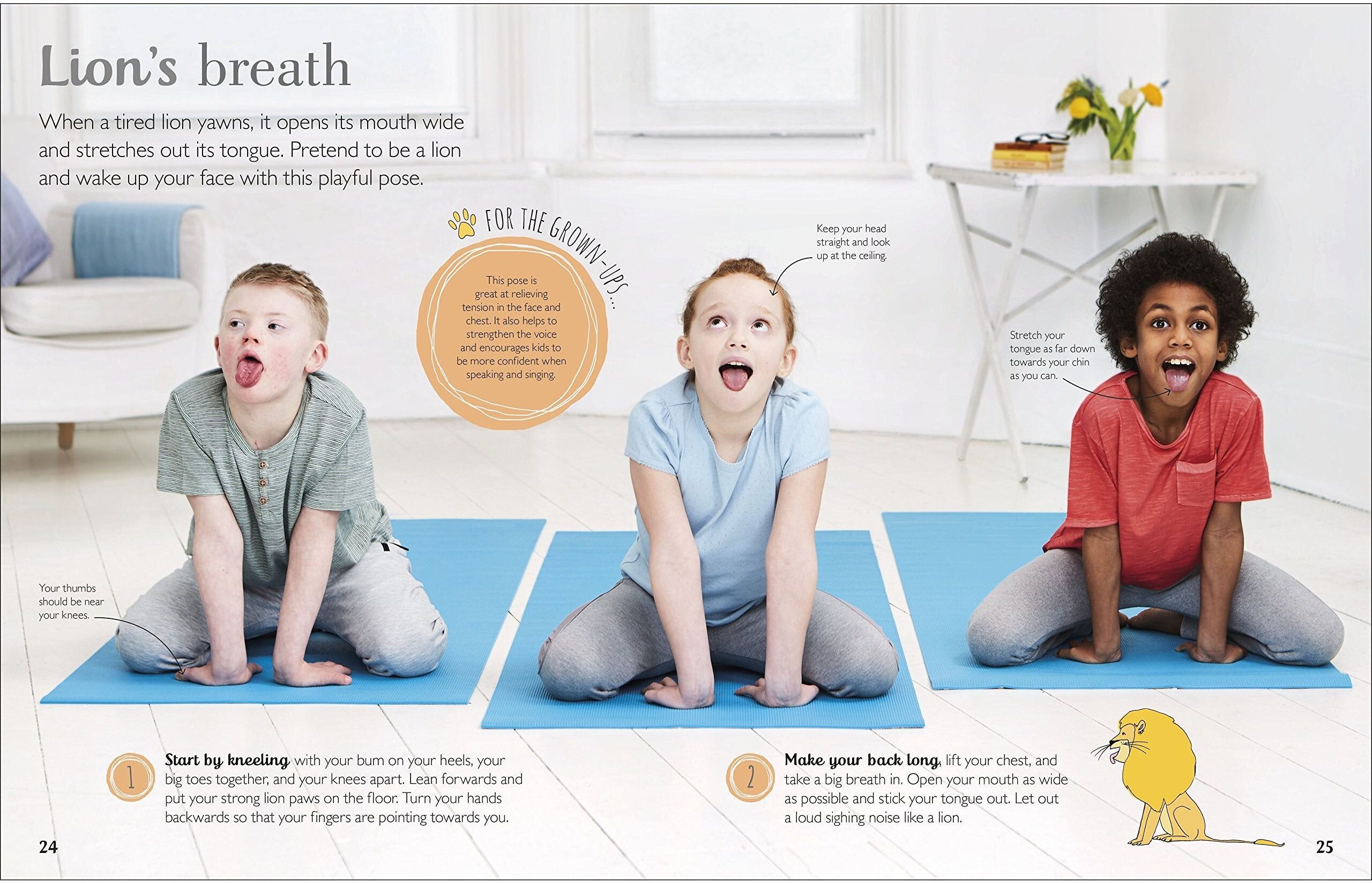
DK Yoga For Kids: Simple First Steps in Yoga and Mindfulness (Mindfulness for Kids) by Susannah HoffmanSimple first steps in yoga and mindfulness for your little one to discover!Yoga for Kids is a great way to teach your children about yoga, mindfulness, meditation and peace - whilst having fun at the same time! This all-encompassing guide includes everything you need to know about yoga for children. Encourage your child's curiosity as they explore simple variations of much-loved yoga poses, from the comfort of your own home!Dive straight in to discover:-Over 25 simple poses and yoga activities to explore-How to achieve maximum mindfulness and fun throughout each activity-Colourful illustrations and photographs showing yoga poses for kids to copy-Higher-level information allows parents to understand and ensure safety behind each poseYoga for Kids aims to teach children all about yoga and mindfulness using a strongly visual approach. Featuring exercises for the parents and children to explore independently or together, whether it's stretching into tree pose, bending into butterfly pose, succeeding with sun salutation or doing downward dog, your child can explore a series of fun and engaging yoga poses that'll keep them entertained for hours! Follow the activities presented in this yoga guide, and your little one can learn how to perfect their poses and become stronger and more confident too!The ideal yoga activity book for 6-9 year olds, this is a must-have volume for children who like moving, learning and bending! Whether you're a parent looking to encourage your child to relax, engage, focus and have fun, or you think your child may be experiencing anxiety and you're looking for a fun and mindful activity the family can enjoy together, this all-encompassing yoga book for children may be calling your name!Children's yoga expert Susannah Hoffman sets out to prove that supporting a child's positive mental health does not need to be expensive, difficult or even time-consuming.With this awe-inspiring activity book, your child can explore yoga poses that will help them de-stress and have fun at the same time!4,99 £*Shipping: 1,99 £Secure redirect to the provider
-
Uplift Essentials Mental Health & Psychology Motivational Sign Inspirational Modern Decor For Counseling & Classroom Corners Mental Health & Psychology Motivational Sign Inspirational Modern Decor For Counseling & Classroom Corners"Synchronize your sanctuary with the highdefinition, highvibration energy of our Psychology Motivational Decoration. Featuring a sophisticated ""mindfulminimalist"" silhouette, this professional plaque is designed to bring a ""calmluxe"" energy to your..."59,97 $*Shipping: 0,00 $Secure redirect to the provider
-
Uplifted Finds Mental Health Awareness Acrylic Sign Psychology Motivational Decor For Counseling, Classroom & Office Mental Health Awareness Acrylic Sign Psychology Motivational Decor For Counseling, Classroom & Office"Foster a culture of resilience and wellness with our Mental Health Gift. This premium psychology motivational decoration is the ultimate designer solution for creating a ""MindfulSanctuary"" or ""PositiveFocus"" atmosphere in any home. Featuring a..."71,97 $*Shipping: 0,00 $Secure redirect to the provider
-
Super Simple Psychology: The Ultimate Bitesize Study Guide (DK Super Simple)Expand your Psychology knowledge with this easy-to-use study guide which has everything A Level students need to get to grips with this fascinating subject. Super Simple Psychology breaks down complex information into manageable, bitesize chunks, and it covers all the key topics, ranging from brain anatomy and memory to phobias and types of therapy. With clear and straightforward coverage of all the core Psychology topics, this is the ideal companion for students looking for concise information to support them with classwork, homework, and exams. This psychology study guide offers: - Material that supports A Level and International Baccalaureate curriculum, complementing coursework and exam revision. - An easy-to-use layout, with one topic per page and key facts for every topic. - Visual explanations that help tackle complex topics and make learning straightforward. Super Simple Psychology contains all the essential topics for A Level Psychology in one handy study guide. Each page covers one topic and is designed and illustrated to make the facts easy to understand and remember and to bring the subject to life. Information panels explain and analyse key theories and studies with the help of simple graphics and a useful "Key facts" box on every page provides a summary to help with revision.6,79 £*Shipping: 2,99 £Secure redirect to the provider
-
What is a fairly simple statics problem with support reactions?
A fairly simple statics problem with support reactions could involve a simply supported beam with a point load applied at the middle of the beam. The problem would require calculating the reactions at the supports (usually a pin and a roller) to maintain equilibrium. By using the equations of equilibrium, one can easily determine the support reactions at the two ends of the beam. This type of problem is commonly used to introduce students to the concept of support reactions and equilibrium in statics. **
-
Is Simple Present and Present Simple the same thing?
Yes, "Simple Present" and "Present Simple" are the same thing. They both refer to the tense used to describe actions that happen regularly, habits, general truths, and scheduled events in the present time. Both terms can be used interchangeably to describe the basic present tense in English grammar. **
-
Can you help me form or rearrange simple sentences in the Simple Present and Simple Past?
Yes, I can help you form or rearrange simple sentences in the Simple Present and Simple Past. For example, in the Simple Present, you can say "I eat breakfast every morning" or "She goes to the gym after work." In the Simple Past, you can say "I visited my friend yesterday" or "They watched a movie last night." If you have specific sentences you'd like help with, feel free to provide them and I can assist you in forming or rearranging them. **
-
What is the difference between Simple Past and Simple Present?
The main difference between Simple Past and Simple Present is the timeframe they refer to. Simple Present is used to talk about actions that are happening now or regularly occur, while Simple Past is used to talk about actions that were completed in the past. In Simple Present, the verb is in its base form or with an -s ending for third person singular subjects, while in Simple Past, regular verbs end in -ed and irregular verbs have specific past tense forms. **
Similar search terms for Simple
-
eufy Security Simple ChimeMade for eufy Video Doorbells: Works seamlessly with eufy video doorbells to deliver reliable ringing and notifications throughout your home so you never miss a vistor. For a detailed compatibility list, see the FAQ. Choose from 10 Chimes: 10 pre-installed chimes let you find the sound that suits you and your family. Stable Dual-Band Connection: Enjoy faster speeds, reduced network congestion, and smooth performance at all times with advanced 2.4 GHz and 5 GHz dual-band Wi-Fi connectivity. Quick and Easy Setup: Supports auto-discovery and effortless network integration with Bluetooth auto-pairing, enabling you to set it up within minutes. Loud and Reliable Alerts: Adjust the volume of your chime to up to 80 dB for powerful and dependable alerts so you hear visitor notifications clearly even from the second floor or across larger spaces.22,99 £*Shipping: 0,00 £Secure redirect to the provider
-
How do I distinguish between Simple Past and Simple Present?
The Simple Past tense is used to talk about actions that were completed in the past, while the Simple Present tense is used to talk about actions that are happening in the present. To distinguish between the two, look for keywords such as "yesterday," "last week," or specific times that indicate the action happened in the past, which would indicate the use of Simple Past. On the other hand, if the sentence includes words like "now," "currently," or general time markers, it is likely using Simple Present. Additionally, pay attention to the verb forms - Simple Past verbs often end in "-ed" or have irregular forms, while Simple Present verbs typically end in "-s" in the third person singular form. **
-
How do I differentiate between Simple Past and Simple Present?
To differentiate between Simple Past and Simple Present, you need to look at the timing of the action. Simple Past is used to talk about actions that happened in the past and are completed. It is formed by adding -ed to regular verbs or using the past form of irregular verbs. On the other hand, Simple Present is used to talk about actions that are happening now, habitual actions, general truths, or scheduled future events. It is formed by using the base form of the verb. By paying attention to the timing of the action and the form of the verb, you can easily differentiate between Simple Past and Simple Present. **
-
What is the difference again between Simple Past and Simple Present?
The simple present tense is used to describe actions that are happening right now or regularly occurring actions. For example, "I eat breakfast every morning." On the other hand, the simple past tense is used to describe actions that have already happened in the past. For example, "I ate breakfast yesterday." In summary, the simple present tense is used for present actions or habits, while the simple past tense is used for actions that have already occurred in the past. **
-
Will French Future Simple?
Yes, French does have a future simple tense. It is used to express actions that will happen in the future. The future simple tense is formed by adding specific endings to the infinitive form of the verb. It is a commonly used tense in French to talk about future plans, intentions, or predictions. **
* All prices are inclusive of VAT and, if applicable, plus shipping costs. The offer information is based on the details provided by the respective shop and is updated through automated processes. Real-time updates do not occur, so deviations can occur in individual cases. ** Note: Parts of this content were created by AI.