Buy therapi.eu ?
We are moving the project
therapi.eu .
Are you interested in purchasing the domain
therapi.eu ?
domain@kv-gmbh.de · 0541-91531010
Buy therapi.eu ?
What is the difference between epistemological and ontological naturalism?
Epistemological naturalism is the belief that knowledge and understanding of the world should be based on naturalistic explanations and evidence, such as scientific inquiry and empirical observation. It focuses on how we come to know and understand the world around us. Ontological naturalism, on the other hand, is the belief that the natural world is all that exists, and that there are no supernatural or non-natural entities or forces. It focuses on the nature of reality and what exists in the world. In summary, epistemological naturalism is about how we know, while ontological naturalism is about what exists. **
What do critics say about the ontological proof of God?
Critics of the ontological proof of God argue that it relies on flawed logic and assumptions. They point out that the argument's premise, that existence is a necessary attribute of God, is not universally accepted and is based on subjective interpretations. Critics also argue that the proof does not provide empirical evidence for the existence of God and is therefore not convincing to those who do not already believe. Additionally, some critics argue that the ontological proof is a circular argument, as it assumes the existence of God in order to prove the existence of God. **
Similar search terms for Ontological
Top-Angebote
Products related to Ontological:
-
Uplift Essentials Stress Relieving Pinch Mask Toy Emotional Expression Character Squeeze High Yield Mental Wellness Support Hub style CAchieve emotional optimization with the Stress Relieving Pinch Mask Toy. Specifically engineered for sensory transparency, this highperformance tactile tool acts as a vital tool for relaxation efficiency, neutralizing workplace tension through...62,97 $*Shipping: 0,00 $Secure redirect to the provider
-
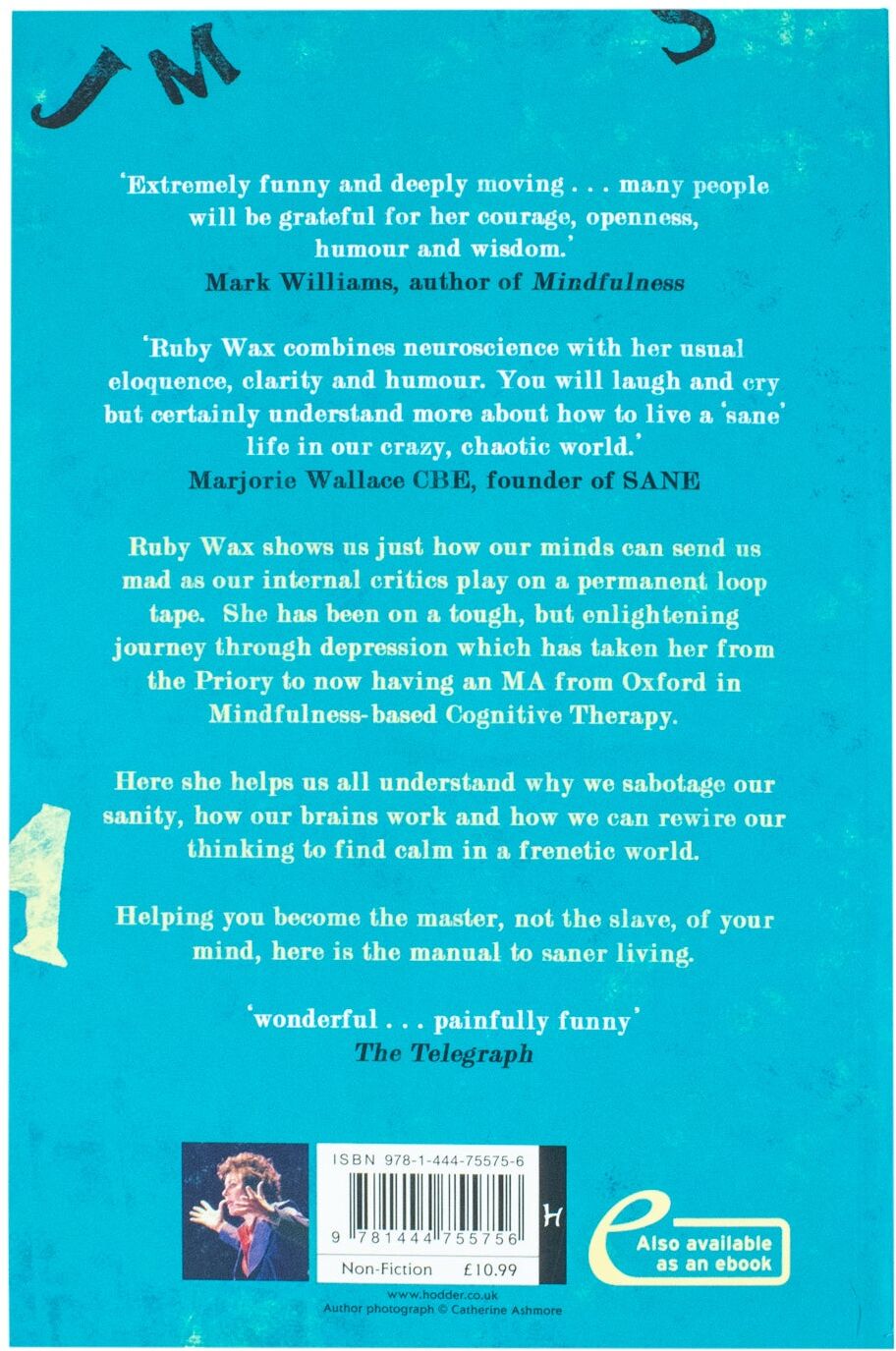
HODDER PUBLISHING Sane New World: Taming the Mind by Ruby Wax – Mental Health & Mindfulness GuideThe mental health and mindfulness bestseller from A Mindfulness Guide for the Frazzled and How to be Human author Ruby Wax; who shows us why and how our minds can send us mad and how we can rewire our thinking to calm ourselves in a frenetic world. 'Finally - a map for the troubled human mind. And it's funny.' -Caitlin Moran Ruby Wax - comedian; writer and mental health campaigner - shows us how our minds can jeopardize our sanity. With her own periods of depression and now a Masters from Oxford in Mindfulness-based Cognitive Therapy to draw from; she explains how our busy; chattering; self-critical thoughts drive us to anxiety and stress. If we are to break the cycle; we need to understand how our brains work; rewire our thinking and find calm in a frenetic world. Helping you become the master; not the slave; of your mind; here is the manual to saner living.4,90 £*Shipping: 1,99 £Secure redirect to the provider
-
KitchenCuration Healing Quartz Crystal Water Bottle For Wellness & Energy Balance FluoriteRefresh your daily routine with a beautifully designed crystal water bottle that combines mindful living with elegant style. Crafted for wellness enthusiasts, yoga lovers, and anyone seeking a calming hydration experience, this bottle features a...49,97 $*Shipping: 0,00 $Secure redirect to the provider
-
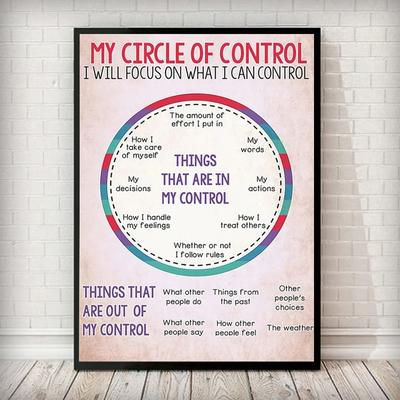
Uplift Essentials "Social Worker ""My Control Circle"" Poster Mental Health Mindfulness Print Professional Office Wall Decor & Counselor 12x16 In""Empower your workspace and inspire your clients with our Social Worker ""My Control Circle"" Poster. This essential mental health professional artwork serves as both a beautiful decoration and a functional therapeutic tool. Featuring a clean,..."54,97 $*Shipping: 0,00 $Secure redirect to the provider

-
What is the ontological proof of God according to Canterbury?
The ontological proof of God according to Canterbury is based on the idea that God is the greatest conceivable being. This argument posits that if we can conceive of a being that is the greatest possible being, then that being must exist in reality. In other words, the very concept of God as the greatest conceivable being necessitates his existence. This argument is rooted in the idea that existence is a necessary attribute of God, and therefore, God must exist in reality. **
-
What is the ontological difference between beings and Being in Heidegger?
In Heidegger's philosophy, the ontological difference between beings and Being is central to his understanding of existence. Beings refer to the entities that exist in the world, including humans, animals, objects, and so on. Being, on the other hand, refers to the underlying ground or source of existence that makes beings possible. Being is not a being itself, but rather the condition of possibility for beings to exist. Heidegger emphasizes the need to understand Being in order to truly grasp the nature of existence and our place within the world. **
-
What is the solution to the ontological proof of God in Canterbury?
The solution to the ontological proof of God in Canterbury is found in the form of a parody by the character Anselm in the play "Canterbury Tales" by Geoffrey Chaucer. Anselm presents a comical and exaggerated version of the ontological argument, which highlights the absurdity of trying to prove the existence of God through pure logic and reason. The parody serves to critique the limitations of human understanding and the folly of attempting to grasp the divine through intellectual means. Ultimately, the solution to the ontological proof of God in Canterbury is to recognize the inherent mystery and transcendence of the divine, and to approach it with humility and faith rather than attempting to confine it within the bounds of human logic. **
-
What is your opinion on Anselm of Canterbury's ontological proof of God?
Anselm of Canterbury's ontological proof of God is an interesting and thought-provoking argument. I appreciate the logical and deductive approach he takes in trying to prove the existence of God. However, I also recognize that the ontological argument has been the subject of much debate and criticism over the centuries. While I find the concept of a perfect being existing necessarily in the mind and reality intriguing, I believe that the ontological proof is not conclusive and may not be convincing to everyone. Overall, I think Anselm's ontological proof is a valuable contribution to the philosophical discussion of the existence of God, but it is not without its limitations. **
Can someone explain to me the ontological proof of God by René Descartes?
René Descartes' ontological proof of God is based on the idea that existence is a perfection. He argues that God, as a perfect being, must necessarily exist because existence is a necessary attribute of perfection. Descartes posits that our idea of God as a supremely perfect being implies His existence, as a being that exists both in our minds and in reality is greater than one that exists only in our minds. This argument has been subject to much debate and criticism, with some questioning the validity of equating existence with perfection. **
Can someone explain the ontological proof of God by René Descartes to me?
The ontological proof of God by René Descartes is a philosophical argument that attempts to prove the existence of God through reason alone. Descartes argues that the concept of God as a perfect being includes the attribute of existence, because existence is a necessary part of perfection. In other words, if we can conceive of a perfect being, then that being must necessarily exist in reality, because existence is a part of its perfection. This argument has been widely debated and criticized, but it remains an important part of the history of philosophy and the discussion of the existence of God. **
Top-Angebote
Products related to Ontological:
-
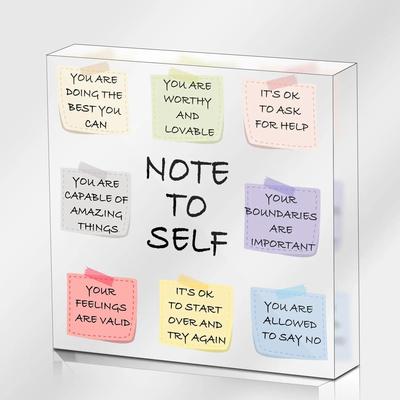
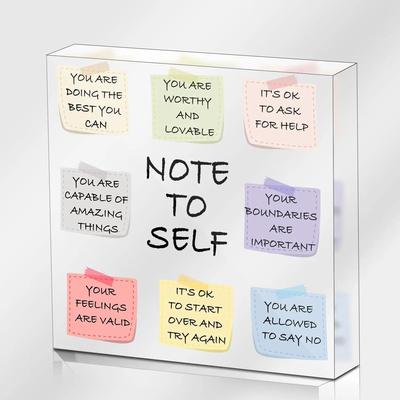
Uplift Essentials Mental Health & Psychology Motivational Sign Inspirational Modern Decor For Counseling & Classroom Corners Mental Health & Psychology Motivational Sign Inspirational Modern Decor For Counseling & Classroom Corners"Synchronize your sanctuary with the highdefinition, highvibration energy of our Psychology Motivational Decoration. Featuring a sophisticated ""mindfulminimalist"" silhouette, this professional plaque is designed to bring a ""calmluxe"" energy to your..."59,97 $*Shipping: 0,00 $Secure redirect to the provider
-
Uplifted Finds Mental Health Awareness Acrylic Sign Psychology Motivational Decor For Counseling, Classroom & Office Mental Health Awareness Acrylic Sign Psychology Motivational Decor For Counseling, Classroom & Office"Foster a culture of resilience and wellness with our Mental Health Gift. This premium psychology motivational decoration is the ultimate designer solution for creating a ""MindfulSanctuary"" or ""PositiveFocus"" atmosphere in any home. Featuring a..."71,97 $*Shipping: 0,00 $Secure redirect to the provider
-
Uplift Essentials Stress Relieving Pinch Mask Toy Emotional Expression Character Squeeze High Yield Mental Wellness Support Hub style CAchieve emotional optimization with the Stress Relieving Pinch Mask Toy. Specifically engineered for sensory transparency, this highperformance tactile tool acts as a vital tool for relaxation efficiency, neutralizing workplace tension through...62,97 $*Shipping: 0,00 $Secure redirect to the provider
-
HODDER PUBLISHING Sane New World: Taming the Mind by Ruby Wax – Mental Health & Mindfulness GuideThe mental health and mindfulness bestseller from A Mindfulness Guide for the Frazzled and How to be Human author Ruby Wax; who shows us why and how our minds can send us mad and how we can rewire our thinking to calm ourselves in a frenetic world. 'Finally - a map for the troubled human mind. And it's funny.' -Caitlin Moran Ruby Wax - comedian; writer and mental health campaigner - shows us how our minds can jeopardize our sanity. With her own periods of depression and now a Masters from Oxford in Mindfulness-based Cognitive Therapy to draw from; she explains how our busy; chattering; self-critical thoughts drive us to anxiety and stress. If we are to break the cycle; we need to understand how our brains work; rewire our thinking and find calm in a frenetic world. Helping you become the master; not the slave; of your mind; here is the manual to saner living.4,90 £*Shipping: 1,99 £Secure redirect to the provider
-
What is the difference between epistemological and ontological naturalism?
Epistemological naturalism is the belief that knowledge and understanding of the world should be based on naturalistic explanations and evidence, such as scientific inquiry and empirical observation. It focuses on how we come to know and understand the world around us. Ontological naturalism, on the other hand, is the belief that the natural world is all that exists, and that there are no supernatural or non-natural entities or forces. It focuses on the nature of reality and what exists in the world. In summary, epistemological naturalism is about how we know, while ontological naturalism is about what exists. **
-
What do critics say about the ontological proof of God?
Critics of the ontological proof of God argue that it relies on flawed logic and assumptions. They point out that the argument's premise, that existence is a necessary attribute of God, is not universally accepted and is based on subjective interpretations. Critics also argue that the proof does not provide empirical evidence for the existence of God and is therefore not convincing to those who do not already believe. Additionally, some critics argue that the ontological proof is a circular argument, as it assumes the existence of God in order to prove the existence of God. **
-
What is the ontological proof of God according to Canterbury?
The ontological proof of God according to Canterbury is based on the idea that God is the greatest conceivable being. This argument posits that if we can conceive of a being that is the greatest possible being, then that being must exist in reality. In other words, the very concept of God as the greatest conceivable being necessitates his existence. This argument is rooted in the idea that existence is a necessary attribute of God, and therefore, God must exist in reality. **
-
What is the ontological difference between beings and Being in Heidegger?
In Heidegger's philosophy, the ontological difference between beings and Being is central to his understanding of existence. Beings refer to the entities that exist in the world, including humans, animals, objects, and so on. Being, on the other hand, refers to the underlying ground or source of existence that makes beings possible. Being is not a being itself, but rather the condition of possibility for beings to exist. Heidegger emphasizes the need to understand Being in order to truly grasp the nature of existence and our place within the world. **
Similar search terms for Ontological
-
KitchenCuration Healing Quartz Crystal Water Bottle For Wellness & Energy Balance FluoriteRefresh your daily routine with a beautifully designed crystal water bottle that combines mindful living with elegant style. Crafted for wellness enthusiasts, yoga lovers, and anyone seeking a calming hydration experience, this bottle features a...49,97 $*Shipping: 0,00 $Secure redirect to the provider
-
Uplift Essentials "Social Worker ""My Control Circle"" Poster Mental Health Mindfulness Print Professional Office Wall Decor & Counselor 12x16 In""Empower your workspace and inspire your clients with our Social Worker ""My Control Circle"" Poster. This essential mental health professional artwork serves as both a beautiful decoration and a functional therapeutic tool. Featuring a clean,..."54,97 $*Shipping: 0,00 $Secure redirect to the provider
-
Uplift Essentials Stress Relieving Pinch Mask Toy Emotional Expression Character Squeeze High Yield Mental Wellness Support Hub style AAchieve emotional optimization with the Stress Relieving Pinch Mask Toy. Specifically engineered for sensory transparency, this highperformance tactile tool acts as a vital tool for relaxation efficiency, neutralizing workplace tension through...62,97 $*Shipping: 0,00 $Secure redirect to the provider
-
Uplift Essentials Stress Relieving Pinch Mask Toy Emotional Expression Character Squeeze High Yield Mental Wellness Support Hub style DAchieve emotional optimization with the Stress Relieving Pinch Mask Toy. Specifically engineered for sensory transparency, this highperformance tactile tool acts as a vital tool for relaxation efficiency, neutralizing workplace tension through...62,97 $*Shipping: 0,00 $Secure redirect to the provider
-
What is the solution to the ontological proof of God in Canterbury?
The solution to the ontological proof of God in Canterbury is found in the form of a parody by the character Anselm in the play "Canterbury Tales" by Geoffrey Chaucer. Anselm presents a comical and exaggerated version of the ontological argument, which highlights the absurdity of trying to prove the existence of God through pure logic and reason. The parody serves to critique the limitations of human understanding and the folly of attempting to grasp the divine through intellectual means. Ultimately, the solution to the ontological proof of God in Canterbury is to recognize the inherent mystery and transcendence of the divine, and to approach it with humility and faith rather than attempting to confine it within the bounds of human logic. **
-
What is your opinion on Anselm of Canterbury's ontological proof of God?
Anselm of Canterbury's ontological proof of God is an interesting and thought-provoking argument. I appreciate the logical and deductive approach he takes in trying to prove the existence of God. However, I also recognize that the ontological argument has been the subject of much debate and criticism over the centuries. While I find the concept of a perfect being existing necessarily in the mind and reality intriguing, I believe that the ontological proof is not conclusive and may not be convincing to everyone. Overall, I think Anselm's ontological proof is a valuable contribution to the philosophical discussion of the existence of God, but it is not without its limitations. **
-
Can someone explain to me the ontological proof of God by René Descartes?
René Descartes' ontological proof of God is based on the idea that existence is a perfection. He argues that God, as a perfect being, must necessarily exist because existence is a necessary attribute of perfection. Descartes posits that our idea of God as a supremely perfect being implies His existence, as a being that exists both in our minds and in reality is greater than one that exists only in our minds. This argument has been subject to much debate and criticism, with some questioning the validity of equating existence with perfection. **
-
Can someone explain the ontological proof of God by René Descartes to me?
The ontological proof of God by René Descartes is a philosophical argument that attempts to prove the existence of God through reason alone. Descartes argues that the concept of God as a perfect being includes the attribute of existence, because existence is a necessary part of perfection. In other words, if we can conceive of a perfect being, then that being must necessarily exist in reality, because existence is a part of its perfection. This argument has been widely debated and criticized, but it remains an important part of the history of philosophy and the discussion of the existence of God. **
* All prices are inclusive of VAT and, if applicable, plus shipping costs. The offer information is based on the details provided by the respective shop and is updated through automated processes. Real-time updates do not occur, so deviations can occur in individual cases. ** Note: Parts of this content were created by AI.