Buy therapi.eu ?
We are moving the project
therapi.eu .
Are you interested in purchasing the domain
therapi.eu ?
domain@kv-gmbh.de · 0541-91531010
Buy therapi.eu ?
What are compulsive disorders, obsessive thoughts, and compulsive actions?
Compulsive disorders are mental health conditions characterized by the presence of obsessive thoughts and compulsive actions. Obsessive thoughts are persistent, intrusive, and unwanted thoughts that cause distress or anxiety. Compulsive actions are repetitive behaviors or rituals that a person feels driven to perform in response to their obsessive thoughts, in order to alleviate the anxiety or distress. These disorders can significantly interfere with daily functioning and can be difficult to control without professional help. **
Is it an obsessive-compulsive disorder or a mental thing?
Obsessive-compulsive disorder (OCD) is a mental health condition characterized by intrusive thoughts (obsessions) and repetitive behaviors (compulsions) that a person feels driven to perform. It is not just a "mental thing," but a clinically recognized disorder that can significantly impact a person's daily life. OCD is believed to be caused by a combination of genetic, neurological, behavioral, cognitive, and environmental factors. It is important for individuals experiencing symptoms of OCD to seek professional help from a mental health professional for an accurate diagnosis and appropriate treatment. **
Similar search terms for Compulsive
Top-Angebote
Products related to Compulsive:
-
Uplift Essentials Stress Relieving Pinch Mask Toy Emotional Expression Character Squeeze High Yield Mental Wellness Support Hub style CAchieve emotional optimization with the Stress Relieving Pinch Mask Toy. Specifically engineered for sensory transparency, this highperformance tactile tool acts as a vital tool for relaxation efficiency, neutralizing workplace tension through...62,97 $*Shipping: 0,00 $Secure redirect to the provider
-
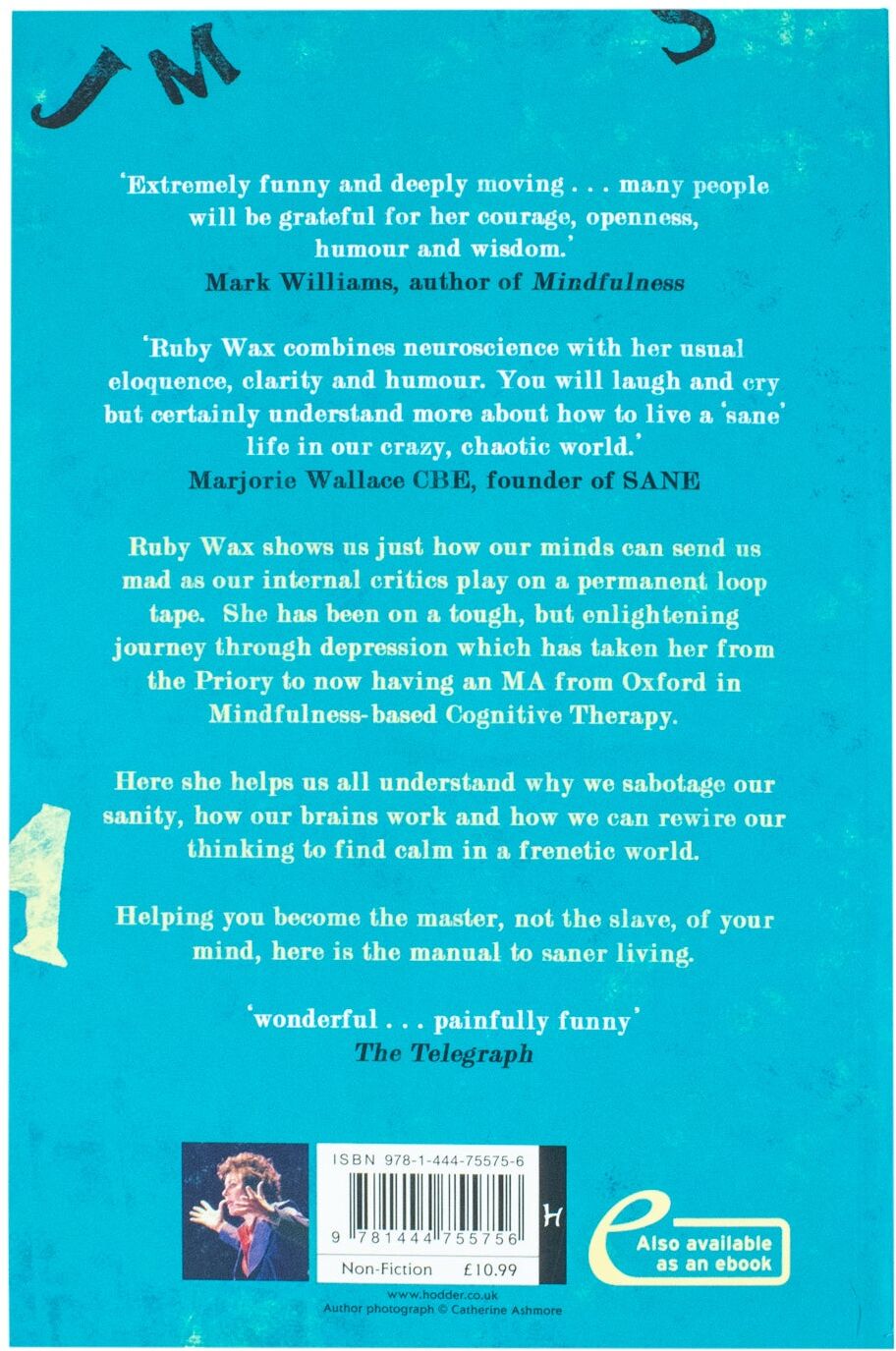
HODDER PUBLISHING Sane New World: Taming the Mind by Ruby Wax – Mental Health & Mindfulness GuideThe mental health and mindfulness bestseller from A Mindfulness Guide for the Frazzled and How to be Human author Ruby Wax; who shows us why and how our minds can send us mad and how we can rewire our thinking to calm ourselves in a frenetic world. 'Finally - a map for the troubled human mind. And it's funny.' -Caitlin Moran Ruby Wax - comedian; writer and mental health campaigner - shows us how our minds can jeopardize our sanity. With her own periods of depression and now a Masters from Oxford in Mindfulness-based Cognitive Therapy to draw from; she explains how our busy; chattering; self-critical thoughts drive us to anxiety and stress. If we are to break the cycle; we need to understand how our brains work; rewire our thinking and find calm in a frenetic world. Helping you become the master; not the slave; of your mind; here is the manual to saner living.4,90 £*Shipping: 1,99 £Secure redirect to the provider
-
KitchenCuration Healing Quartz Crystal Water Bottle For Wellness & Energy Balance FluoriteRefresh your daily routine with a beautifully designed crystal water bottle that combines mindful living with elegant style. Crafted for wellness enthusiasts, yoga lovers, and anyone seeking a calming hydration experience, this bottle features a...49,97 $*Shipping: 0,00 $Secure redirect to the provider
-
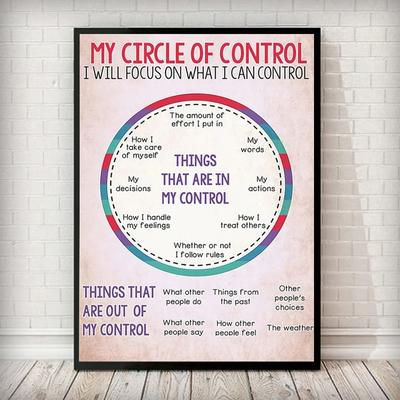
Uplift Essentials "Social Worker ""My Control Circle"" Poster Mental Health Mindfulness Print Professional Office Wall Decor & Counselor 12x16 In""Empower your workspace and inspire your clients with our Social Worker ""My Control Circle"" Poster. This essential mental health professional artwork serves as both a beautiful decoration and a functional therapeutic tool. Featuring a clean,..."54,97 $*Shipping: 0,00 $Secure redirect to the provider


-
What is the difference between compulsive tidying and compulsive thinking?
Compulsive tidying is a behavior characterized by an overwhelming urge to constantly clean and organize one's surroundings, often to the point of excess. On the other hand, compulsive thinking involves persistent, intrusive thoughts that are difficult to control and can lead to anxiety or distress. While compulsive tidying is focused on physical actions and organization, compulsive thinking is centered around mental processes and can be more challenging to manage. Both can be symptoms of underlying mental health conditions, such as obsessive-compulsive disorder, but they manifest in different ways. **
-
What is compulsive behavior?
Compulsive behavior refers to repetitive actions or rituals that a person feels driven to perform, often in response to an obsessive thought or to alleviate anxiety. These behaviors can interfere with daily life and may be difficult to control, despite the negative consequences they may bring. Compulsive behaviors are often associated with conditions such as obsessive-compulsive disorder (OCD) or addiction. Treatment for compulsive behavior typically involves therapy, medication, and lifestyle changes. **
-
What are compulsive impulses?
Compulsive impulses are strong, uncontrollable urges to engage in certain behaviors, often despite negative consequences. These impulses can be driven by a variety of factors, including anxiety, stress, or a desire for relief or pleasure. People with compulsive impulses may feel a sense of urgency or a lack of control over their actions, and may engage in repetitive behaviors in an attempt to alleviate their distress. Compulsive impulses can be a symptom of various mental health conditions, such as obsessive-compulsive disorder or impulse control disorders. **
-
How can the compulsive urge to laugh about the compulsive thoughts be explained?
The compulsive urge to laugh about compulsive thoughts can be explained as a coping mechanism or defense mechanism. When faced with distressing or intrusive thoughts, some individuals may feel the need to laugh as a way to release tension or to try to minimize the seriousness of the thoughts. This can also be a way to try to distance oneself from the thoughts and to avoid feeling overwhelmed by them. Additionally, laughing about the thoughts may be a way for some individuals to seek reassurance or validation from others, as they may hope that by laughing, others will also find the thoughts less serious or distressing. **


What are compulsive self-talks?
Compulsive self-talks are repetitive, negative thoughts or phrases that individuals constantly repeat to themselves. These thoughts are often irrational, self-critical, or destructive in nature, and can lead to feelings of anxiety, depression, or low self-esteem. Compulsive self-talks can be difficult to control and can significantly impact a person's mental well-being and overall quality of life. Therapy, mindfulness techniques, and cognitive-behavioral strategies can be helpful in managing and reducing compulsive self-talks. **
Is this a compulsive behavior?
Yes, the behavior described in the previous message could be considered compulsive. Compulsive behaviors are repetitive actions that a person feels driven to perform, often in response to an obsessive thought or to alleviate anxiety. In this case, the individual is engaging in a behavior (checking the door multiple times) in response to a fear (that the door is not locked), which is a common characteristic of compulsive behavior. If this behavior is interfering with the person's daily life or causing distress, it may be worth seeking help from a mental health professional. **
Top-Angebote
Products related to Compulsive:
-
Uplift Essentials Mental Health & Psychology Motivational Sign Inspirational Modern Decor For Counseling & Classroom Corners Mental Health & Psychology Motivational Sign Inspirational Modern Decor For Counseling & Classroom Corners"Synchronize your sanctuary with the highdefinition, highvibration energy of our Psychology Motivational Decoration. Featuring a sophisticated ""mindfulminimalist"" silhouette, this professional plaque is designed to bring a ""calmluxe"" energy to your..."59,97 $*Shipping: 0,00 $Secure redirect to the provider
-
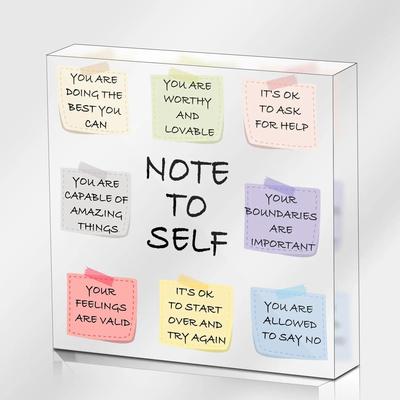
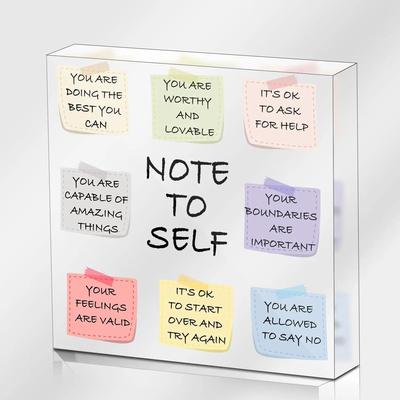
Uplifted Finds Mental Health Awareness Acrylic Sign Psychology Motivational Decor For Counseling, Classroom & Office Mental Health Awareness Acrylic Sign Psychology Motivational Decor For Counseling, Classroom & Office"Foster a culture of resilience and wellness with our Mental Health Gift. This premium psychology motivational decoration is the ultimate designer solution for creating a ""MindfulSanctuary"" or ""PositiveFocus"" atmosphere in any home. Featuring a..."71,97 $*Shipping: 0,00 $Secure redirect to the provider
-
Uplift Essentials Stress Relieving Pinch Mask Toy Emotional Expression Character Squeeze High Yield Mental Wellness Support Hub style CAchieve emotional optimization with the Stress Relieving Pinch Mask Toy. Specifically engineered for sensory transparency, this highperformance tactile tool acts as a vital tool for relaxation efficiency, neutralizing workplace tension through...62,97 $*Shipping: 0,00 $Secure redirect to the provider
-
HODDER PUBLISHING Sane New World: Taming the Mind by Ruby Wax – Mental Health & Mindfulness GuideThe mental health and mindfulness bestseller from A Mindfulness Guide for the Frazzled and How to be Human author Ruby Wax; who shows us why and how our minds can send us mad and how we can rewire our thinking to calm ourselves in a frenetic world. 'Finally - a map for the troubled human mind. And it's funny.' -Caitlin Moran Ruby Wax - comedian; writer and mental health campaigner - shows us how our minds can jeopardize our sanity. With her own periods of depression and now a Masters from Oxford in Mindfulness-based Cognitive Therapy to draw from; she explains how our busy; chattering; self-critical thoughts drive us to anxiety and stress. If we are to break the cycle; we need to understand how our brains work; rewire our thinking and find calm in a frenetic world. Helping you become the master; not the slave; of your mind; here is the manual to saner living.4,90 £*Shipping: 1,99 £Secure redirect to the provider
-
What are compulsive disorders, obsessive thoughts, and compulsive actions?
Compulsive disorders are mental health conditions characterized by the presence of obsessive thoughts and compulsive actions. Obsessive thoughts are persistent, intrusive, and unwanted thoughts that cause distress or anxiety. Compulsive actions are repetitive behaviors or rituals that a person feels driven to perform in response to their obsessive thoughts, in order to alleviate the anxiety or distress. These disorders can significantly interfere with daily functioning and can be difficult to control without professional help. **
-
Is it an obsessive-compulsive disorder or a mental thing?
Obsessive-compulsive disorder (OCD) is a mental health condition characterized by intrusive thoughts (obsessions) and repetitive behaviors (compulsions) that a person feels driven to perform. It is not just a "mental thing," but a clinically recognized disorder that can significantly impact a person's daily life. OCD is believed to be caused by a combination of genetic, neurological, behavioral, cognitive, and environmental factors. It is important for individuals experiencing symptoms of OCD to seek professional help from a mental health professional for an accurate diagnosis and appropriate treatment. **
-
What is the difference between compulsive tidying and compulsive thinking?
Compulsive tidying is a behavior characterized by an overwhelming urge to constantly clean and organize one's surroundings, often to the point of excess. On the other hand, compulsive thinking involves persistent, intrusive thoughts that are difficult to control and can lead to anxiety or distress. While compulsive tidying is focused on physical actions and organization, compulsive thinking is centered around mental processes and can be more challenging to manage. Both can be symptoms of underlying mental health conditions, such as obsessive-compulsive disorder, but they manifest in different ways. **
-
What is compulsive behavior?
Compulsive behavior refers to repetitive actions or rituals that a person feels driven to perform, often in response to an obsessive thought or to alleviate anxiety. These behaviors can interfere with daily life and may be difficult to control, despite the negative consequences they may bring. Compulsive behaviors are often associated with conditions such as obsessive-compulsive disorder (OCD) or addiction. Treatment for compulsive behavior typically involves therapy, medication, and lifestyle changes. **
Similar search terms for Compulsive
-
KitchenCuration Healing Quartz Crystal Water Bottle For Wellness & Energy Balance FluoriteRefresh your daily routine with a beautifully designed crystal water bottle that combines mindful living with elegant style. Crafted for wellness enthusiasts, yoga lovers, and anyone seeking a calming hydration experience, this bottle features a...49,97 $*Shipping: 0,00 $Secure redirect to the provider
-
Uplift Essentials "Social Worker ""My Control Circle"" Poster Mental Health Mindfulness Print Professional Office Wall Decor & Counselor 12x16 In""Empower your workspace and inspire your clients with our Social Worker ""My Control Circle"" Poster. This essential mental health professional artwork serves as both a beautiful decoration and a functional therapeutic tool. Featuring a clean,..."54,97 $*Shipping: 0,00 $Secure redirect to the provider
-
Uplift Essentials Stress Relieving Pinch Mask Toy Emotional Expression Character Squeeze High Yield Mental Wellness Support Hub style AAchieve emotional optimization with the Stress Relieving Pinch Mask Toy. Specifically engineered for sensory transparency, this highperformance tactile tool acts as a vital tool for relaxation efficiency, neutralizing workplace tension through...62,97 $*Shipping: 0,00 $Secure redirect to the provider
-
Uplift Essentials Stress Relieving Pinch Mask Toy Emotional Expression Character Squeeze High Yield Mental Wellness Support Hub style DAchieve emotional optimization with the Stress Relieving Pinch Mask Toy. Specifically engineered for sensory transparency, this highperformance tactile tool acts as a vital tool for relaxation efficiency, neutralizing workplace tension through...62,97 $*Shipping: 0,00 $Secure redirect to the provider
-
What are compulsive impulses?
Compulsive impulses are strong, uncontrollable urges to engage in certain behaviors, often despite negative consequences. These impulses can be driven by a variety of factors, including anxiety, stress, or a desire for relief or pleasure. People with compulsive impulses may feel a sense of urgency or a lack of control over their actions, and may engage in repetitive behaviors in an attempt to alleviate their distress. Compulsive impulses can be a symptom of various mental health conditions, such as obsessive-compulsive disorder or impulse control disorders. **
-
How can the compulsive urge to laugh about the compulsive thoughts be explained?
The compulsive urge to laugh about compulsive thoughts can be explained as a coping mechanism or defense mechanism. When faced with distressing or intrusive thoughts, some individuals may feel the need to laugh as a way to release tension or to try to minimize the seriousness of the thoughts. This can also be a way to try to distance oneself from the thoughts and to avoid feeling overwhelmed by them. Additionally, laughing about the thoughts may be a way for some individuals to seek reassurance or validation from others, as they may hope that by laughing, others will also find the thoughts less serious or distressing. **
-
What are compulsive self-talks?
Compulsive self-talks are repetitive, negative thoughts or phrases that individuals constantly repeat to themselves. These thoughts are often irrational, self-critical, or destructive in nature, and can lead to feelings of anxiety, depression, or low self-esteem. Compulsive self-talks can be difficult to control and can significantly impact a person's mental well-being and overall quality of life. Therapy, mindfulness techniques, and cognitive-behavioral strategies can be helpful in managing and reducing compulsive self-talks. **
-
Is this a compulsive behavior?
Yes, the behavior described in the previous message could be considered compulsive. Compulsive behaviors are repetitive actions that a person feels driven to perform, often in response to an obsessive thought or to alleviate anxiety. In this case, the individual is engaging in a behavior (checking the door multiple times) in response to a fear (that the door is not locked), which is a common characteristic of compulsive behavior. If this behavior is interfering with the person's daily life or causing distress, it may be worth seeking help from a mental health professional. **
* All prices are inclusive of VAT and, if applicable, plus shipping costs. The offer information is based on the details provided by the respective shop and is updated through automated processes. Real-time updates do not occur, so deviations can occur in individual cases. ** Note: Parts of this content were created by AI.